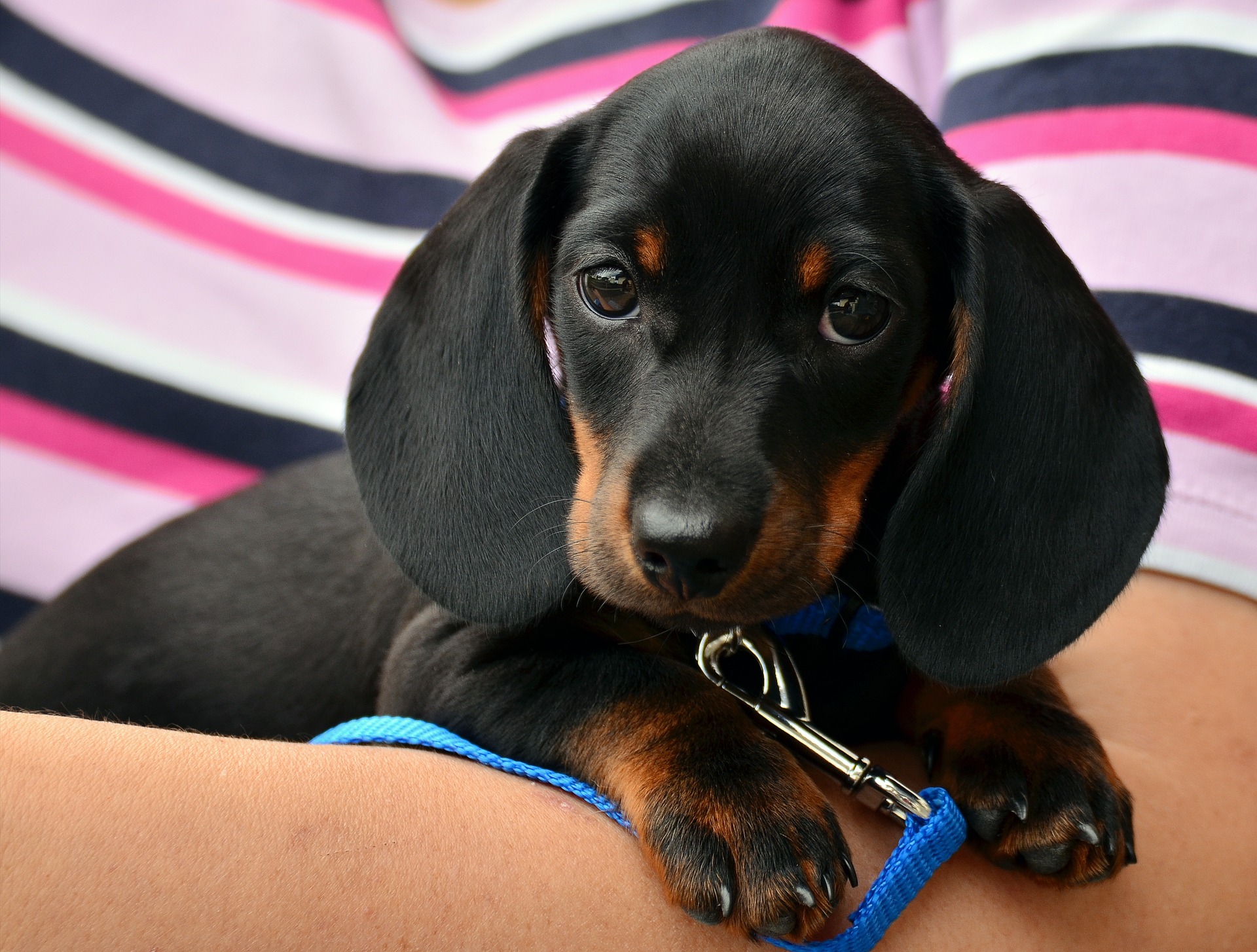
Bringing a new puppy into your home is an exciting experience filled with joy and responsibility. As a pet owner, one of your primary goals should be to ensure that your new furry friend feels safe and secure in its new environment. Recognizing the signs that indicate your puppy is comfortable can strengthen your bond and help you nurture a happy, well-adjusted pet. Here are five signs to look out for that indicate your puppy feels safe at home.
A key sign that your puppy feels safe at home is its body language. When a puppy is comfortable, you’ll notice its body is relaxed. Look for loose, wiggly movements rather than tense or stiff postures. A relaxed puppy may lie down with its belly exposed, roll over for a belly rub, or even stretch out comfortably while resting. These behaviors signify trust and comfort, letting you know that your puppy feels at home in your space.
If your puppy feels secure in their new environment, they will likely exhibit playful and exploratory behaviors. This means they might be more inclined to engage in playtime, investigate their surroundings, or even explore new toys that you bring home. A confident puppy will bravely investigate its space without hesitation and may even exhibit a curious attitude toward new experiences, showing that it trusts you and the environment you’ve created.
Puppies, like many animals, are social creatures that thrive on companionship. If your puppy frequently seeks out your presence, whether by following you around the house, sitting near your feet, or cuddling up on the couch, it's a sign that they feel safe and secure in their environment. This need for connection and closeness shows they trust you and view you as a source of comfort and protection.
Health and behavior are often strong indicators of how a puppy feels about its home life. A safe and secure puppy will generally have a good appetite and display a normal sleeping pattern. If your puppy eats regularly without hesitation and sleeps soundly and contentedly, these behaviors indicate that they feel safe in their surroundings. A stressed or anxious puppy may refuse to eat, have disrupted sleep patterns, or exhibit restlessness, highlighting the importance of their comfort level at home.
How your puppy interacts with family members—both human and animal—can reveal a lot about their comfort level. A puppy that feels safe will typically respond positively to family members, willing to approach, play, and engage with them. They are more likely to display affectionate behaviors like licking, nuzzling, or playing. Conversely, if a puppy is fearful or anxious, they might retreat or react defensively to people or other animals in the home, showing a need for more reassurance and a sense of security.
As a dog owner, recognizing these signs can help you create an environment where your puppy feels safe, happy, and loved. By fostering their sense of security and acknowledging their feelings, you set the foundation for a strong, trusting relationship that will last for years to come.