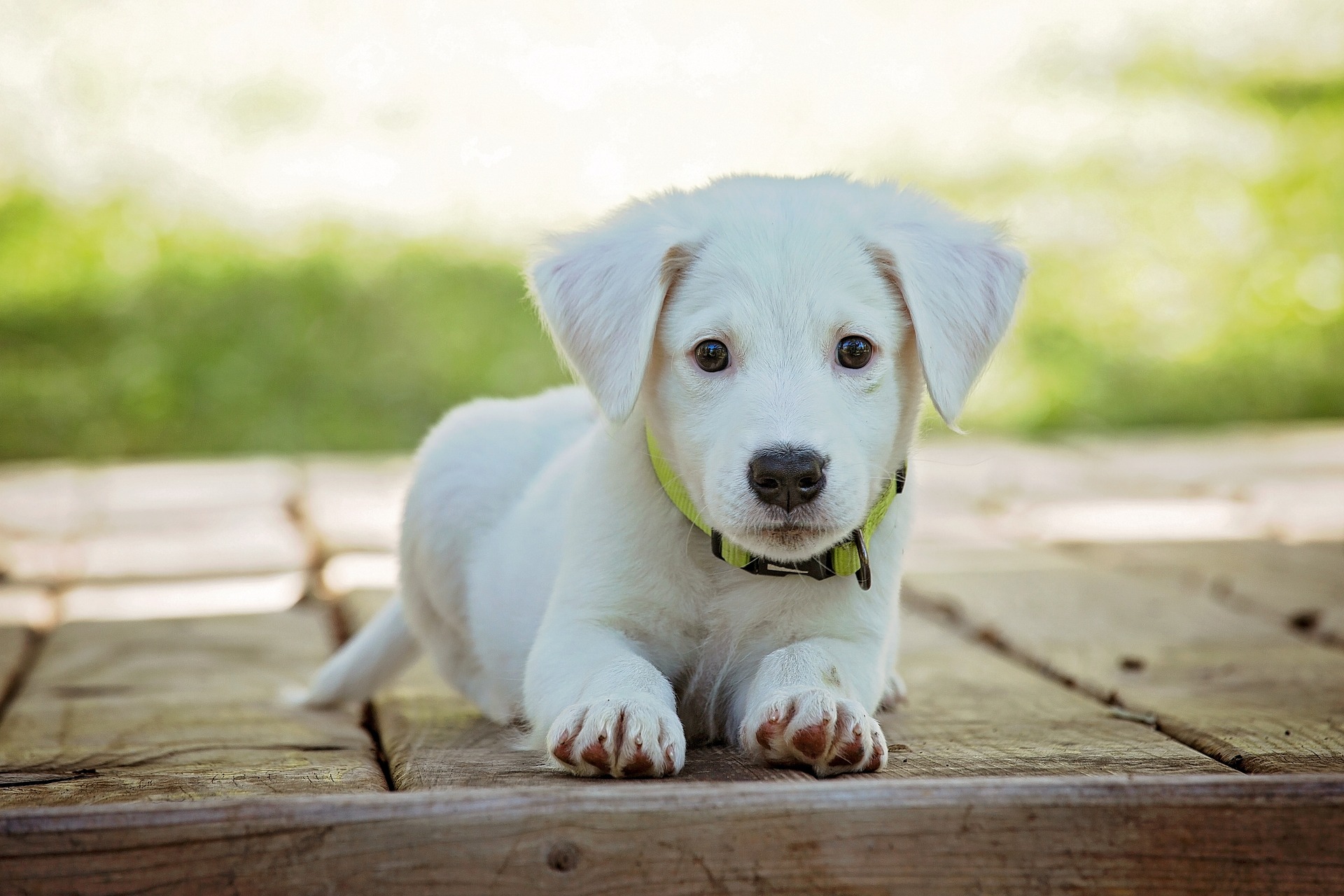
Food allergies in dogs can be a common but often overlooked issue. Much like humans, dogs can develop sensitivities to certain ingredients in their diet, leading to a variety of symptoms. If you’re noticing changes in your dog's behavior or health, it might be time to investigate the possibility of food allergies. Here are eight signs that your dog may be experiencing food allergies.
One of the most noticeable signs of food allergies in dogs is excessive scratching or itching. If your dog seems to be scratching more than usual, it could be due to an allergic reaction. This itching can lead to red, inflamed skin and hot spots, making your dog uncomfortable.
In addition to scratching, food allergies can cause various skin irritations. Look for rashes, hives, or flaky, dry skin. Areas such as the face, ears, paws, and underbelly are especially susceptible. These irritations are usually a direct response to allergens in your dog's food.
Food allergies often manifest through gastrointestinal issues. If your dog experiences persistent gas, diarrhea, or vomiting, food allergies might be the culprit. Monitor your dog’s bowel movements and note any drastic changes after feeding.
Frequent ear infections can be another indicator of food allergies. Dogs with food sensitivities may develop inflamed and itchy ears, leading to recurrent ear infections. Watch for signs like excessive head shaking, discomfort around the ears, or a bad smell coming from your dog’s ears.
If your dog has developed an unpleasant odor, it could be linked to food allergies. Skin infections or bacterial overgrowth due to scratching can result in a musty or foul smell. If regular grooming and bathing don’t resolve the odor, consider seeking veterinary advice.
Food allergies can sometimes lead to weight changes in dogs. Some dogs may lose weight due to nutrient absorption issues while others may gain weight because of overcompensation in their diet. Keep track of your dog’s weight and any sudden changes, as these can be signs of underlying health issues.
Just like humans, dogs can experience mood swings and behavioral changes as a response to discomfort or pain. If your usually friendly dog becomes irritable, withdrawn, or anxious, it could be due to the discomfort of food allergies. Pay attention to any shifts in your dog's attitude and energy levels.
While food allergies can develop at any age, it's important to note when symptoms first appear. If your dog suddenly starts showing signs of allergies after consuming the same food for a long time, it may be an indication that they’ve developed a sensitivity to one of the ingredients. Keep track of dietary changes alongside symptom onset.
If your dog is showing any combination of these signs, it’s crucial to consult with your veterinarian. They can help identify potential food allergies through elimination diets or allergy testing and guide you on the best dietary choices for your furry friend.