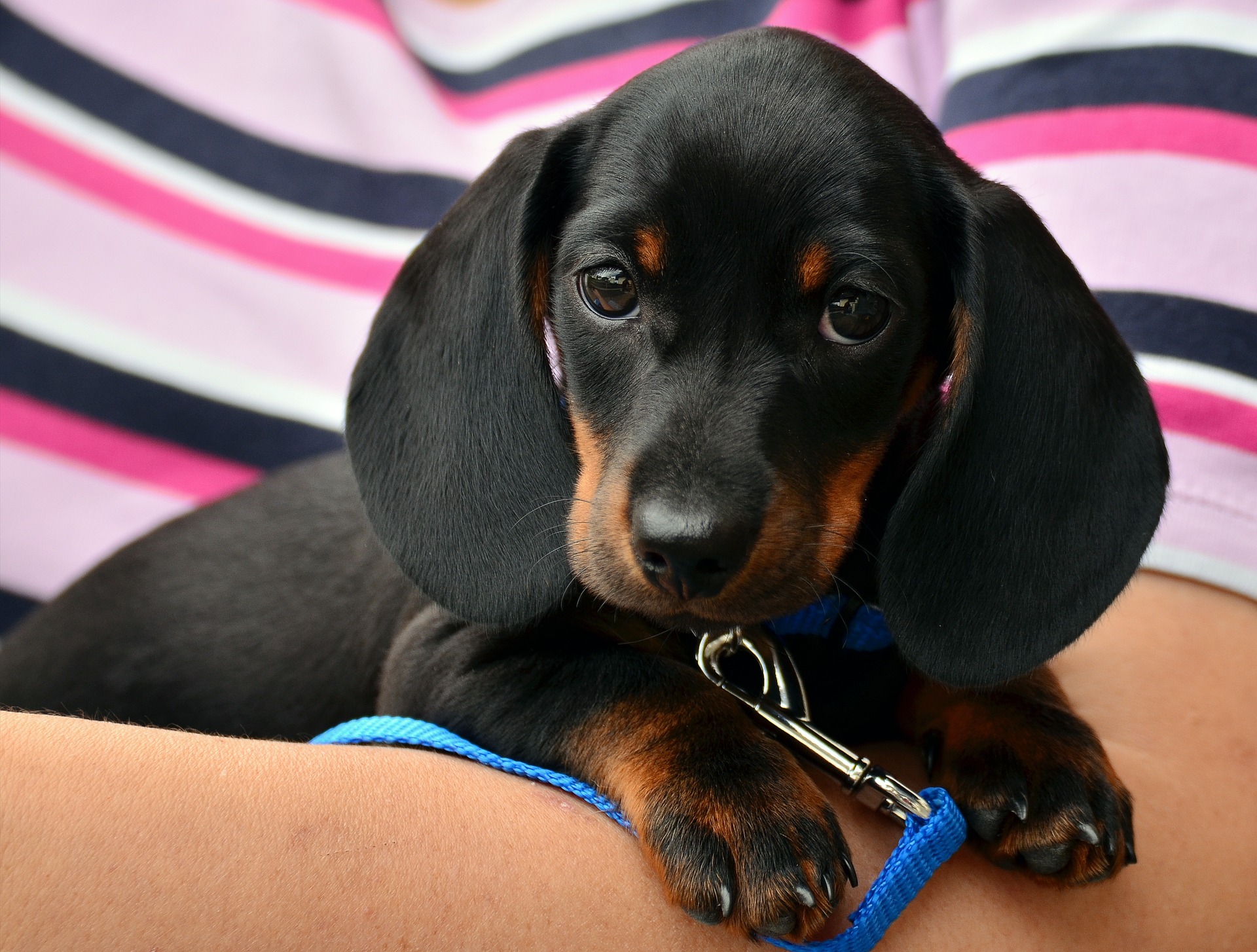
Obesity in dogs is a growing concern among pet owners, and just like humans, it can lead to serious health issues for our furry friends. Helping your dog shed those extra pounds can significantly improve their quality of life and longevity. Here are eight simple, effective methods to help your dog lose weight in a healthy manner.
One of the most critical steps in helping your dog lose weight is to monitor their food intake. Measure the amount of food according to your veterinarian's recommendations and stick to regular feeding times. Avoid free-feeding, where food is available all day, as this can lead to overeating.
Selecting the right type of dog food makes a significant difference in weight management. Look for a high-quality, low-calorie diet that contains a good balance of nutrients. Foods specifically formulated for weight loss can help your dog feel full while reducing calorie intake. Consult your vet for recommendations on the best food options tailored to your pet's needs.
Regular exercise is vital for your dog's weight loss journey. Aim for at least 30 minutes of physical activity each day, which can include walks, runs, fetch, or playing in the yard. Incorporating varied activities will keep your dog engaged and motivated. Consider adding some playdates with other dogs or taking them to a local dog park.
Treats are a great way to reinforce good behavior, but they can be calorie-dense and contribute to weight gain if not given mindfully. Opt for low-calorie treats or healthy options like baby carrots or apple slices. Limit the number of treats given and factor them into your dog’s daily food allowance to maintain proper caloric balance.
Mental exercise is just as important as physical activity. Use puzzle toys or treat-dispensing toys to keep your dog mentally engaged. These toys provide a challenge and can also encourage your dog to be more active while trying to retrieve the treat hidden inside.
Regular vet visits are essential for monitoring your dog’s weight and overall health. Your veterinarian can provide personalized advice on weight management, help check for any underlying health issues, and adjust dietary recommendations as needed. Schedule regular weigh-ins to keep track of any changes and progress.
When implementing changes to your dog's diet or exercise routine, take it slow. Sudden changes can upset their stomach or make the experience overwhelming. Gradually incorporate new food or increase exercise levels over weeks to help your dog adapt comfortably to the new lifestyle.
Weight loss takes time, and every dog is different. Consistency is key when trying to establish a healthy routine for your dog. Set realistic goals and be patient. Celebrate small milestones along the way to keep you and your dog motivated.
With dedication, love, and a thoughtful approach, your dog can achieve a healthy weight and enjoy a longer, happier life.