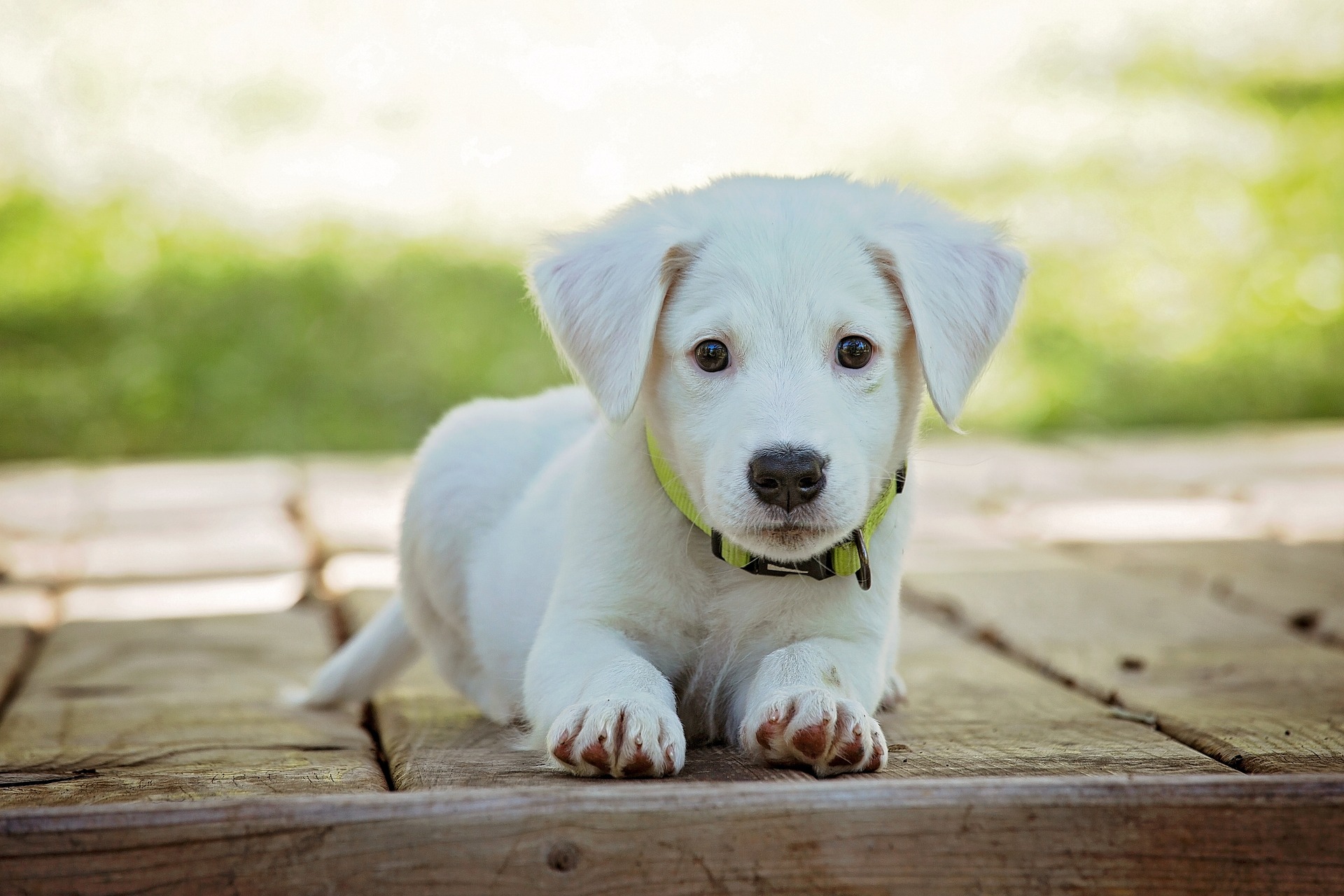
January is often described as the most depressing month of the year for humans. The holiday season is over, the weather is cold and dreary, and the days are shorter. But did you know that our furry friends can also experience the January blues?
Just like humans, dogs can feel the effects of the post-holiday slump. Changes in routine, less time spent outdoors, and the lack of sunlight can all contribute to a decrease in mood and overall well-being for our canine companions.
Seasonal Affective Disorder, or SAD, is a type of depression that is related to changes in the seasons. While SAD is most commonly associated with humans, research has shown that dogs can also be affected by the lack of sunlight and shorter days that come with the winter months.
Symptoms of SAD in dogs can include lethargy, increased sleepiness, decreased interest in activities, changes in appetite, and overall sadness or irritability. If you notice any of these symptoms in your dog during the winter months, it may be a sign that they are experiencing the January blues.
There are several things you can do to help your dog beat the January blues and improve their mood during the winter months.
Exercise is important for both physical and mental health. Make sure your dog is getting enough physical activity, even if it means taking shorter walks or playing indoors on cold or rainy days.
Dogs thrive on routine, so try to keep their schedule as consistent as possible. Regular meal times, playtime, and walks can help your dog feel more secure and less anxious during the winter months.
Keeping your dog mentally stimulated can help prevent boredom and improve their overall mood. Try introducing new toys, puzzles, or games to keep your dog's mind engaged and active.
Just like humans, dogs need sunlight to help regulate their mood and sleep patterns. Try to get your dog outside for a walk during the sunniest part of the day, or consider investing in a special light box designed for pets.
If your dog is showing signs of depression or anxiety that persist despite your efforts, it may be time to consult with a veterinarian or an animal behaviorist. They can help determine the underlying cause of your dog's symptoms and recommend appropriate treatment options.
Remember, your dog relies on you to provide them with love, care, and support, especially during the challenging winter months. By being proactive and attentive to your dog's needs, you can help them beat the January blues and enjoy a happy and healthy start to the new year.