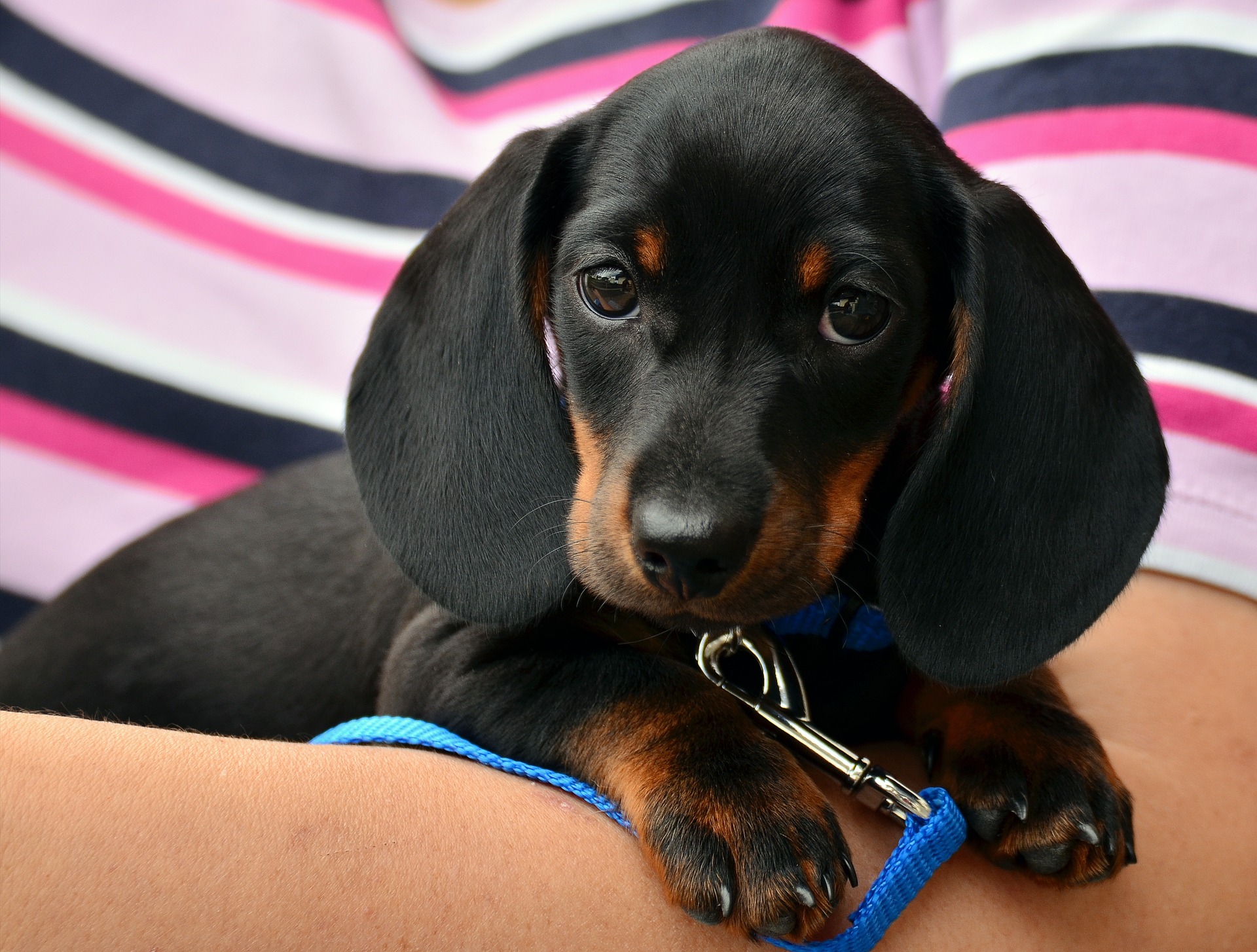
When the mercury rises and a heat wave engulfs your area, it’s crucial to assess whether walking your dog is a safe option. Dogs, while resilient and spirited companions, are particularly vulnerable to extreme temperatures. Understanding the implications of a heat wave on your dog’s health and adjusting your walking routines can ensure their safety and well-being.
First and foremost, it’s essential to recognize that dogs can suffer from heat-related illnesses, just like humans. Walking during heat waves can lead to serious conditions like heat exhaustion and heatstroke. Dogs regulate their body temperature primarily through panting, along with limited sweating through their paw pads. In high temperatures, this cooling mechanism can become ineffective, especially during exertion.
Specific breeds are more susceptible to heat stress, particularly brachycephalic breeds like Bulldogs, Pugs, and Shih Tzus, thanks to their short snouts and compromised respiratory systems. However, any dog can be at risk, particularly older dogs, overweight pets, or those with pre-existing health conditions.
It’s vital to recognize the signs of overheating in dogs. Symptoms can include excessive panting, drooling, a rapid heartbeat, lethargy, and a decreased willingness to exercise. In severe cases, dogs may experience confusion, seizures, or even collapse. If you notice these signs, it’s important to act quickly: move your dog indoors, offer them cool water, and apply cool (not cold) towels to their body. If symptoms persist, seek veterinary assistance immediately.
If you must walk your dog during a heat wave, timing your walks is critical. Early mornings or late evenings are generally the best times as temperatures tend to be cooler. Try to keep walks short and frequent rather than longer treks. Always pay attention to your dog’s behavior; if they seem tired, take a break in the shade or head home.
Furthermore, consider the walking surface. Asphalt and concrete can become extremely hot and may burn your dog’s paws. To test the ground temperature, place your hand on it for seven seconds; if it’s too hot for your skin, it’s too hot for your dog’s paws. Opt for grassy areas where possible to minimize their exposure to hot surfaces.
Ensuring your dog remains hydrated is crucial as well. Always carry water with you on walks, and provide regular breaks for your dog to drink. Hydration helps maintain their body temperature and can keep them feeling energetic and happy. If your dog shows signs of thirst, stop, offer them water, and allow them to recuperate.
If the heat is particularly intense or if your dog is showing signs of distress, consider alternative activities. Indoor play, puzzle toys, or a session with a dog trainer can provide mental stimulation without the risks associated with outdoor heat. You can also plan trips to air-conditioned pet-friendly stores or facilities where your dog can socialize while remaining cool.
Ultimately, being mindful of the heat and consciously adjusting your routine will help you ensure your furry friend stays safe and enjoys their walks, even during a heat wave.