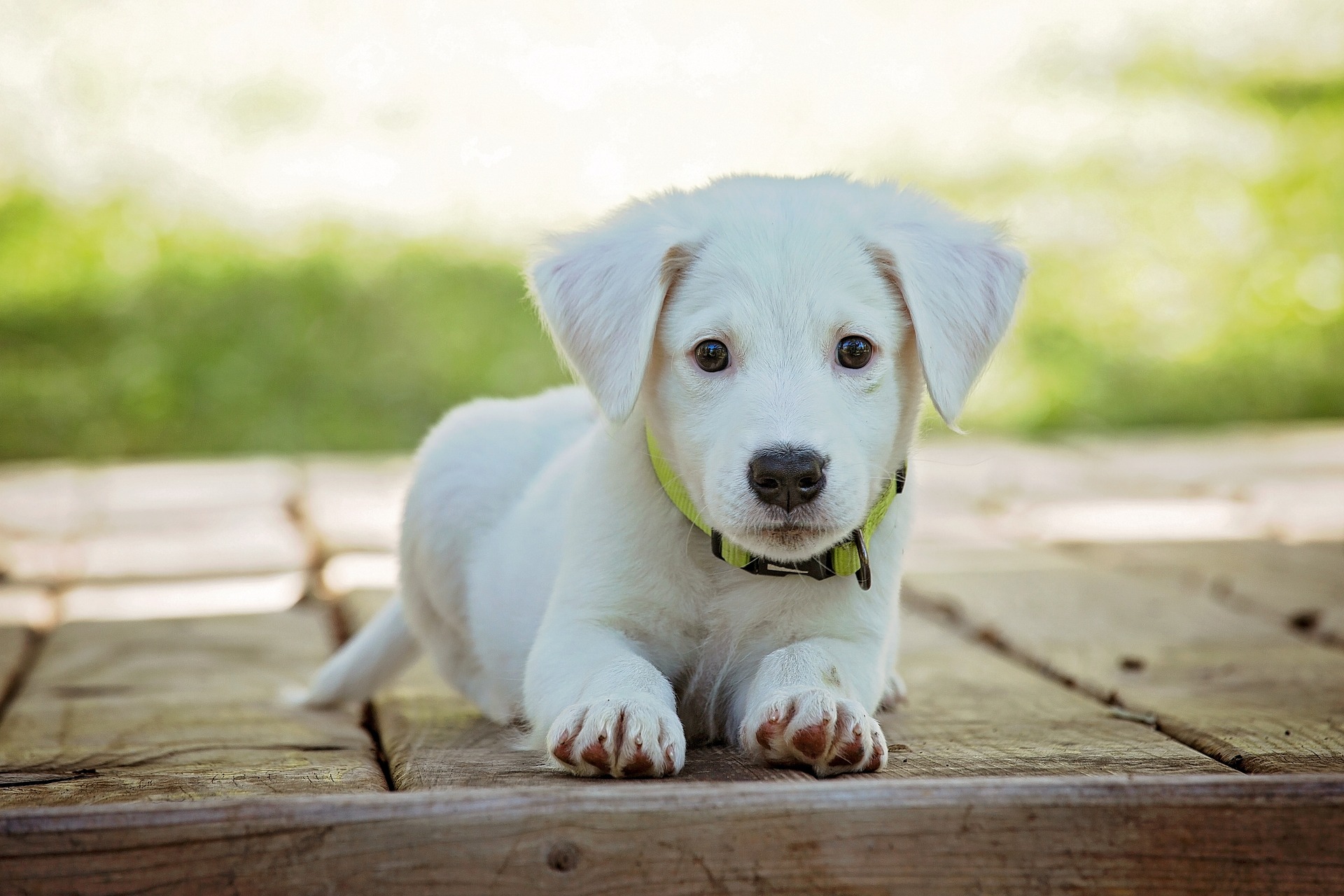
As a devoted dog owner, the thought of your furry friend aging can be difficult to bear. However, you have the power to significantly impact your dog's lifespan and quality of life. By following some simple practices, you can help ensure that your canine companion enjoys a longer, healthier life.
A balanced diet plays a crucial role in your dog's health. Dogs require a mix of proteins, fats, carbohydrates, vitamins, and minerals. Opt for high-quality dog food that aligns with your pet's age, size, and specific dietary needs. Look for products that list meat as the primary ingredient and avoid those laden with artificial additives and fillers. Consult with your veterinarian to explore dietary options that may include supplements beneficial for joint health or skin and coat vitality.
Physical activity is essential not only for maintaining a healthy weight but also for promoting cardiovascular health and mental stimulation. Regular walks, playtime, and interactive exercises can help your dog maintain a healthy lifestyle. Aim for at least 30 minutes to an hour of exercise each day, adjusting the duration and intensity based on your dog’s breed, age, and physical condition. For older dogs or those with mobility issues, consider gentler forms of activity such as swimming or short, leisurely walks.
Prevention is better than cure when it comes to your dog’s health. Regular check-ups with a veterinarian can help identify health issues before they escalate. Vaccinations, dental care, parasite control, and routine screenings for diseases are essential. Your vet can also provide tailored advice on nutrition, exercise, and weight management, which are vital for your dog’s longevity.
A stimulating environment is just as important as physical exercise. Boredom can lead to anxiety and destructive behaviors. Engage your dog with puzzle toys, training sessions, and interactive games to keep their mind active. Teaching them new tricks or reinforcing old ones can be both fun and rewarding for you and your pet. Explore new routes during walks to add variety, making each outing an adventure.
Maintaining your dog's hygiene is crucial for their overall health. Regular grooming helps keep their coat clean and free of pests. Depending on your dog’s breed, grooming frequency will vary, but routine brushing can help prevent matting and reduce shedding. Don’t forget about dental health—periodically brushing your dog’s teeth can prevent oral diseases that may lead to more serious health issues.
Your dog thrives on love, attention, and social interactions. Spend quality time together, whether it's cuddling on the couch, playing at the park, or simply going for a car ride. Regular socialization with other dogs and people can reduce anxiety and improve behavior. A happy, emotionally fulfilled dog is more likely to lead a longer, healthier life.
Different breeds have varying lifespans and predispositions to health issues. Educate yourself about your dog’s breed characteristics, including common health concerns and life expectancy. This knowledge will empower you to provide the specific care needed for your dog's unique needs.