How to Properly Calculate Dog Years
For dog owners, understanding the concept of "dog years" is essential for evaluating their pet’s health, lifespan, and overall development. The traditional method of calculating a dog's age by multiplying its age in human years by seven is a common misconception. While it serves as a simple rule of thumb, it fails to accurately reflect the complexities of canine aging. In this article, we will explore the proper ways to calculate dog years, taking into account different breeds, sizes, and the various stages of a dog's life.
The Basics of Dog Aging
The first thing to understand about dog aging is that it varies significantly between breeds. Larger dogs tend to age faster than smaller breeds. Generally, small dogs (under 20 pounds) may live longer and mature more slowly than large dogs (over 50 pounds). For a more accurate assessment, we should use a modified scale that considers both a dog's weight and age.
Aging Scale Breakdown
A more accurate way to calculate dog years involves understanding different developmental stages. Here’s a breakdown:
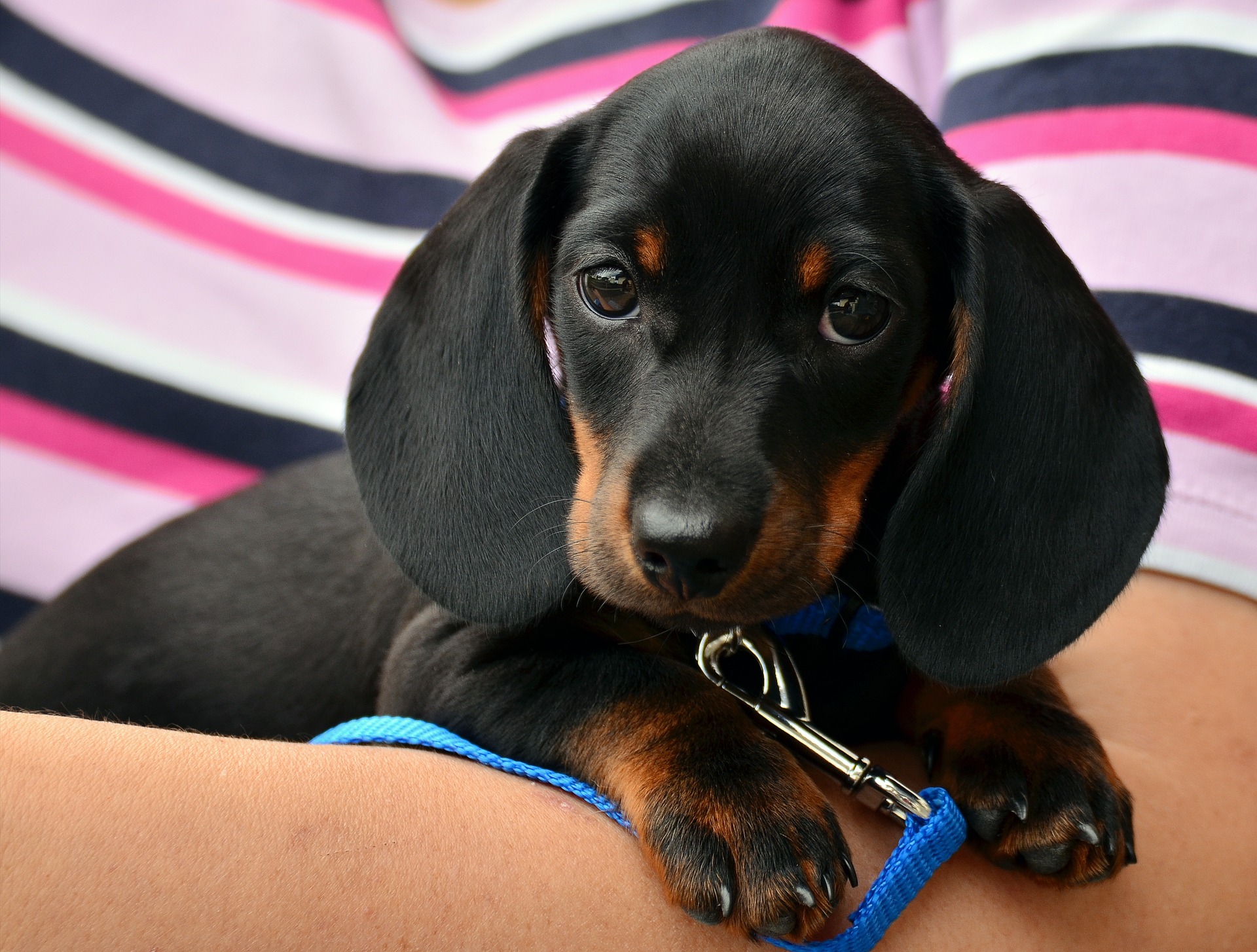
- Puppy Stage (0-1 Year): During the first year, dogs mature rapidly. By around 6 months, a dog has reached the equivalent of approximately 5 human years. By their first birthday, they can be considered nearly a 15-year-old human.
- Adult Stage (1-2 Years): The second year is when dogs really start to settle down. In the second year, dogs add roughly 5 human years, so by the end of their second year, they are considered 24 human years old.
- Middle Age (3-6 Years): From ages three to six, you can add about 4 human years for each dog year. At age three, a dog would be about 28 in human years, and at age six, almost 45.
- Senior Stage (7+ Years): For dogs 7 years and older, each year could be added as approximately 5-7 human years, depending on the breed. Smaller breeds may age a bit slower, meaning a 10-year-old small dog could be about 56, while a larger dog of the same age might be around 66.
The Influence of Breed and Size
As mentioned, the size and breed of your dog significantly impact its aging process. Here’s a quick guide for different sizes:
- Small Breeds (e.g., Chihuahuas, Dachshunds): These dogs generally live longer, often up to 15 years or more. Their aging rate slows down after age 5.
- Medium Breeds (e.g., Beagles, Cocker Spaniels): Typically live around 10-15 years, aging around 6-7 human years for every dog year.
- Large Breeds (e.g., Golden Retrievers, Labrador Retrievers): Usually have a shorter lifespan of around 8-12 years and age faster in the first few years of life.
- Giant Breeds (e.g., Great Danes, Mastiffs): Their aging process is even faster, with a lifespan often around 6-10 years.
Understanding how to properly calculate dog years can help pet owners provide the necessary care and attention suited to their dog’s life stage. Instead of relying solely on the traditional "one dog year equals seven human years" formula, consider the specific characteristics and needs of your dog to ensure a happy and healthy life for your furry friend.