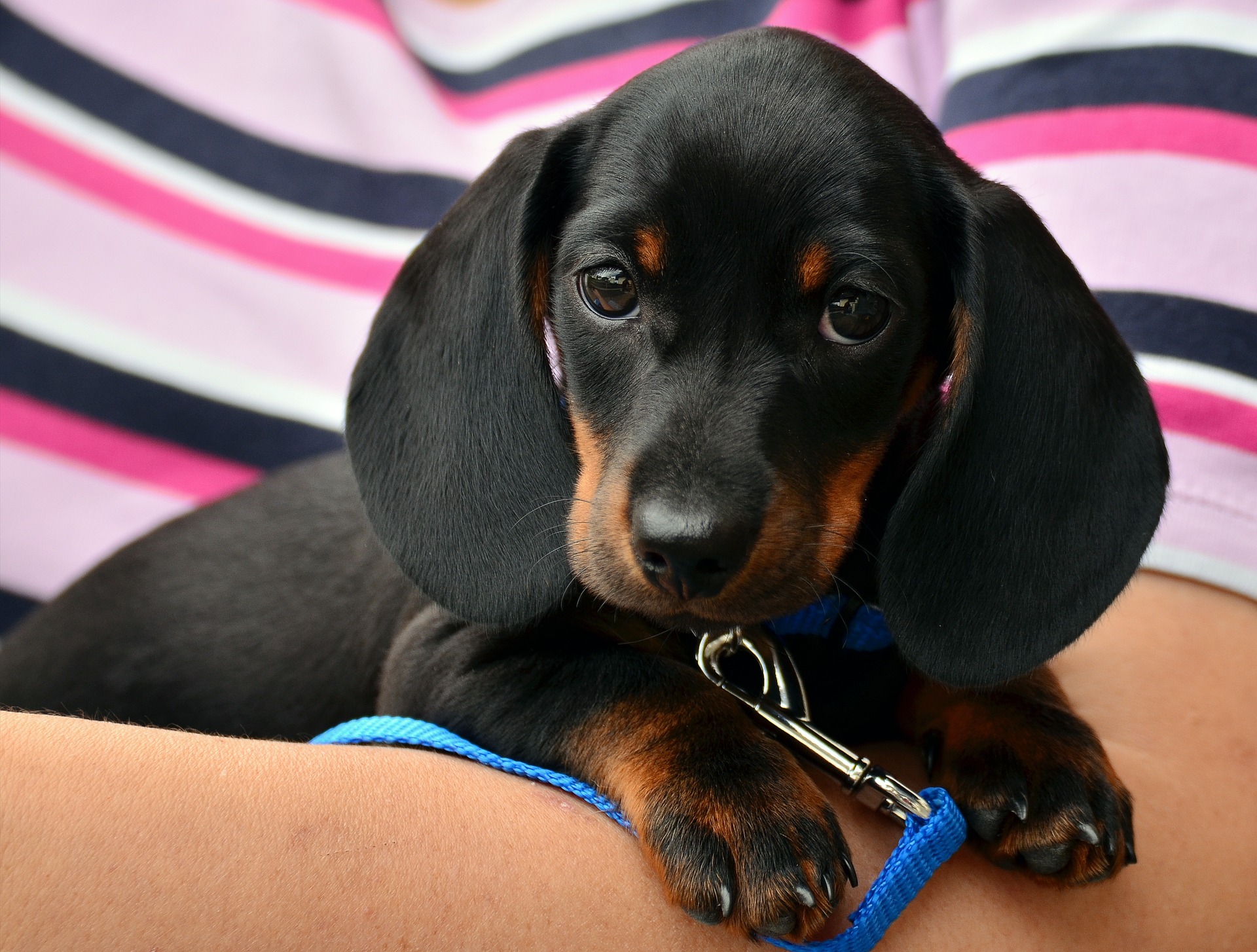
As a dog owner, you likely understand the importance of regular walks for your furry companion. However, life can sometimes get in the way, leading to those days when a walk gets skipped. So, is skipping walks with your dog really bad for them? The answer is not straightforward, but let’s delve into the ramifications of missed exercise and the role it plays in your dog’s overall well-being.
Walks are more than just a chance for your dog to relieve themselves. They provide essential physical exercise and mental stimulation. Regular walks help keep your dog's muscles and joints healthy, contribute to weight management, and allow for social interactions with other dogs and people. Exercise is a major factor in preventing obesity, which is linked to numerous health issues such as diabetes, cardiovascular problems, and joint diseases.
Skipping walks can lead to a sedentary lifestyle for your dog, especially if alternate forms of exercise or activity are not provided. Dogs require daily physical exertion to maintain their health. A lack of sufficient exercise can lead to muscle atrophy, obesity, and other complications. Moreover, certain breeds require more movement than others. For example, high-energy dogs such as Border Collies and Labrador Retrievers need more exercise than lower-energy breeds. Therefore, consistent walks tailored to your dog’s needs are crucial.
Dogs are intelligent animals that need mental stimulation just as much as they need physical activity. During walks, dogs get to explore new scents, sights, and sounds, which provides the mental engagement they crave. Skipping walks may result in boredom, leading to behavioral issues such as excessive barking, chewing, or digging. These problematic behaviors are often signs of frustration and pent-up energy. Ensuring your dog receives regular walks can alleviate these issues and lead to a more balanced and happy pet.
Walks also serve as an essential platform for socialization. Meeting other dogs and interacting with different environments helps your dog develop good social skills. Skipping walks can limit their exposure to other dogs and people, making them more anxious or reactive in social situations. Early socialization and consistent exposure are key to helping dogs grow into well-adjusted adults.
If you find that you are too busy to walk your dog regularly, consider looking for alternatives that can still satisfy their need for exercise. Engaging in activities such as playing fetch in the yard, using dog treadmills, or enrolling them in doggy daycare can provide some of the physical and mental benefits associated with walking. However, these should not completely replace outdoor walks, as your dog still needs the diverse experiences that walking provides.
Every dog is different, so it's vital to observe your pet’s behavior and energy levels. If your dog appears restless or exhibits signs of stress, it’s a clear indicator that they crave activity. Aligning your schedule to incorporate regular walks, even short ones, can make a notable difference in their temperament and overall quality of life.